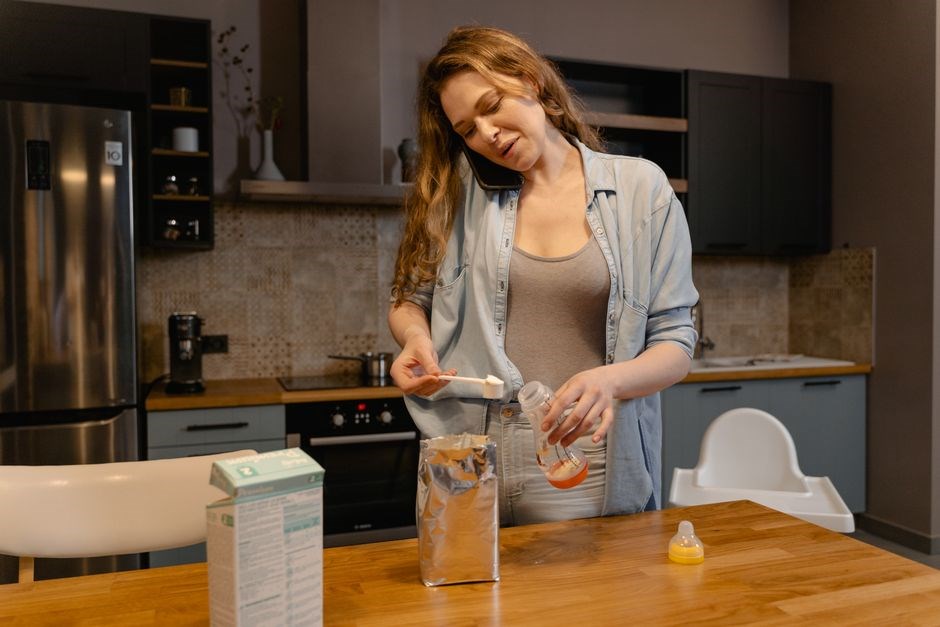
Neosure formula offers a high calorie‚ ready-to-feed option for preterm infants. Mixing requires precise water measurement: 5.5 oz water per 3 scoops for 24 cal‚ or adjust for 22 cal RTF. Follow the back-of-pack instructions‚ ensuring the water is at the correct temperature before adding powder Use sterile water

Neosure Product Types
Neosure offers 24 cal powder and 22 cal ready‑to‑feed (RTF). Powder requires 5.5 oz water per 3 scoops; RTF is pre‑mixed‚ only heat to 70–80 °F before feeding. Each variant targets specific caloric needs for preterm infants. Use only sterile water and precise scoop count for safety.
Neosure 24 Cal
Neosure 24 calorie powder is designed for preterm infants requiring higher energy density. The standard mixing ratio is 3 scoops per 5.5 oz (164 ml) of sterile‚ warmed water. The water should be between 70 °F and 80 °F (21 °C–27 °C) to preserve protein integrity and reduce bacterial growth. Measure the water with a calibrated measuring cup‚ then add the powder to the bottle. Use a clean‚ sanitized bottle and a dedicated spoon to avoid contamination. Shake gently until the powder is fully dissolved; avoid vigorous shaking that can create foam and alter the formula’s viscosity. After mixing‚ the final volume should be 5.5 oz‚ and the infant should receive the formula within 2 hours of preparation to maintain freshness. If the formula is not used within this window‚ refrigerate at 39 °F (4 °C) and discard after 24 hours. Always check the expiration date on the powder container and ensure the powder is stored in a cool‚ dry place. When preparing multiple doses‚ use a separate sterile water source for each dose to prevent cross‑contamination. Finally‚ verify the final temperature before feeding; it should be at body temperature (98 °F/37 °C) to avoid thermal shock to the infant. This meticulous approach ensures optimal nutrition and safety for vulnerable newborns. Adhering to these precise guidelines not only guarantees the infant receives the intended caloric load but also minimizes the risk of feeding‑related complications‚ such as gastric intolerance or metabolic disturbances‚ thereby supporting the delicate growth trajectory of extremely low birth weight babies today!!
Mix 3 scoops of Neosure 24 cal powder into 5.5 oz (164 ml) of sterile‚ warmed water (70–80 °F). Stir gently until fully dissolved; avoid foam. The final volume should be 5.5 oz. Feed within 2 hours of preparation; refrigerate unused portions at 39 °F and discard after 24 h. Use a bottle;

Preparation Essentials
Use sterile‚ potable water at 70–80°F. Measure scoops accurately with the provided scoop. Keep all utensils clean‚ rinse with hot water‚ and dry. Store formula in a cool‚ dark place until use. Follow the manufacturer’s instructions for each batch.
Check dates before use today.
Water Quality and Temperature
Water quality is paramount when preparing Neosure. Use only sterile‚ potable water that has been boiled and cooled to 70–80 °F (21–27 °C) before mixing. Chlorinated tap water should be avoided because residual chlorine can alter the formula’s taste and interfere with nutrient absorption. If you must use tap water‚ let it sit for at least 12 hours or use a certified filter that removes chlorine and heavy metals. Boiling water for 5 minutes‚ then cooling it to the target temperature‚ ensures both sterility and safety. Measure the temperature with a calibrated thermometer; a deviation of more than 5 °F can affect the consistency and caloric density of the final product. Keep the water in a covered‚ clean container to prevent dust or microbial contamination. Store the prepared mixture in a refrigerator (≤ 4 °C) and use it within 24 hours‚ or freeze for longer storage; Always check the water’s pH; it should be between 6;5 and 7.5 to match the formula’s recommended range. Using high‑quality water not only preserves the nutritional integrity of Neosure but also reduces the risk of feeding complications in vulnerable infants. During preparation‚ a dedicated mixing station ensures aseptic conditions. Thebottle is rinsed with sterile water‚ then the correct number of scoops is added. After filling with themeasured water volume‚ the mixture is shaken vigorously until homogeneous. The final product is labeled with date‚ time‚ and batch number‚ stored at ≤ 4 °C‚ and used within 24 hours or frozen for up to 48 hours. Careful observation for intolerance signs guides any adjustment; Allsteps kept.

Mixing Ratios and Instructions
For 24 Cal Neosure‚ add 3 scoops to 5.5 oz water (70 ml). For 22 Cal RTF‚ mix 1 oz liquid with 1 oz water‚ then add 1 scoop. Always use sterile water at 70–80 °F‚ shake until smooth‚ label with date/time‚ and refrigerate. Adjust ratios per infant weight. Follow guidelines now.
High-Calorie Adjustments for NICU Patients
Neosure’s 24 Cal and 22 Cal formulas can be tailored to meet the heightened energy demands of NICU infants. The key is to increase the caloric density by adding a measured amount of Neosure powder to a smaller volume of water‚ or by supplementing with a high‑calorie fortifier. The following steps provide a systematic approach:
- Step 1: Determine the target calorie density. NICU protocols often aim for 25–30 kcal/oz. Use the formula: Target kcal × Volume (oz) = Total kcal. For a 2‑oz feed‚ 30 kcal/oz yields 60 kcal total.
- Step 2: Calculate powder quantity. Each scoop of 24 Cal Neosure delivers 24 kcal/oz. Divide the total kcal by 24 to find the number of scoops. For 60 kcal‚ use 2.5 scoops (adjust to nearest 0.25 scoop).
- Step 3: Adjust water volume. Use the standard 5.5 oz water for 3 scoops. To increase density‚ reduce water to 4 oz while keeping 3 scoops‚ yielding ~18 kcal/oz. Then add a 1‑oz liquid fortifier (e.g.‚ 1 oz of 20 kcal/oz fortifier) to reach the target.
- Step 4: Mix thoroughly. Combine powder and water in a sterile bottle‚ shake vigorously until no granules remain. Add the liquid fortifier last‚ mix again‚ and test consistency with a small sample.
- Step 5: Label and store. Record the exact date‚ time‚ and calculated kcal per ounce. Store in the refrigerator at 4–8 °C and use within 24 h. Re‑warm to 37 °C before feeding.

Monitoring should include daily weight checks‚ stool frequency‚ and serum electrolytes. Any signs of intolerance—such as abdominal distension‚ vomiting‚ or diarrhea—require immediate reevaluation of the formula concentration.
When increasing caloric density‚ avoid exceeding 35 kcal/oz to prevent hyperglycemia. Use glucose monitoring if indicated.
For infants on parenteral nutrition‚ coordinate with the pharmacy to match total caloric intake.
Document all adjustments in the feeding log and report to the neonatology team.

Storage Guidelines
Neosure formula‚ once mixed‚ should be handled with strict temperature control to preserve nutrient integrity and prevent bacterial growth. The general rule for ready‑to‑feed products is to store the prepared mixture in a refrigerator (4–8 °C) and use it within 24 hours of preparation. If the infant is on a continuous feed‚ the mixture can be held at 37 °C in a sterile warming unit‚ but the bottle must be sealed and monitored for temperature drift.
When preparing multiple doses‚ label each bottle with the exact date‚ time‚ and the calculated caloric density. Use a sterile‚ BPA‑free bottle and a new‚ clean syringe for each dose. Store the bottles upright to avoid sedimentation and to facilitate easy inspection for clumps or discoloration. If the mixture shows any cloudiness‚ off‑odor‚ or visible particles‚ discard immediately.
For NICU settings‚ the storage protocol should align with the hospital’s infection control policy. This includes using a dedicated refrigerator for neonatal feeds‚ keeping the door closed‚ and maintaining a log of temperature readings every 4 hours. The refrigerator should be set at 4 °C‚ and a backup power system should be in place to prevent temperature excursions. If the feed is to be stored for more than 24 hours‚ it is safer to prepare fresh each day rather than rely on storage.
Always wash hands thoroughly before handling the prepared formula and use gloves when transferring the mixture to the infant’s bottle.
If the formula is stored in a freezer‚ thaw it slowly in the refrigerator and use it within 24 hours to maintain quality. ✔✔✔✔

Safety and Hygiene Practices
Always wash hands with soap before handling Neosure. Use sterile‚ BPA‑free bottles. Keep formula at 4–8 °C‚ use within 24 h. Seal bottles tightly‚ label date/time. Discard any clumps or off‑odor. Follow hospital infection control policies. Store in dedicated fridge. Use new syringe for each dose. Keep the area sterile!!!.
Sanitization of Bottles and Equipment
Before each use‚ rinse bottles‚ nipples‚ and feeding devices with hot tap water. Apply a mild‚ fragrance‑free detergent‚ scrub with a soft brush‚ and rinse thoroughly to remove all residues. After washing‚ sterilize by boiling for 5 minutes or using a steam sterilizer for 15 minutes. If using a microwave‚ ensure the container is microwave‑safe and add water to prevent overheating. Once sterilized‚ allow items to air‑dry on a clean‚ lint‑free surface. Store in a sealed‚ sterile container to avoid re‑contamination. For reusable silicone nipples‚ submerge in a 0.1% chlorhexidine solution for 10 minutes‚ rinse‚ and sterilize. Never use plastic bottles that have cracks or scratches‚ as they harbor bacteria. Maintain a dedicated cleaning station with separate towels and brushes for formula preparation. Keep the cleaning area free of food‚ pets‚ and other potential contaminants. Record each sterilization cycle on a log sheet‚ noting the date‚ time‚ and method used. Follow hospital or manufacturer guidelines for any additional steps‚ and replace equipment that shows signs of wear or damage. Proper sanitization reduces infection risk and ensures the infant receives a safe‚ high‑calorie nutrition source. Additionally‚ use a 1:10 dilution of chlorine bleach for a 5‑minute soak‚ then rinse with sterile water. Label each sterilized item with date and batch number. Store in a clean‚ covered area away from direct sunlight. Perform a visual inspection for cracks before each use to maintain safety. Keep sterilizers in a separate cabinet and keep

Common Mistakes and Troubleshooting
Mixing Neosure correctly is critical for preterm nutrition. The most frequent errors begin with water volume: using 5.5 oz for 3 scoops of 24 cal formula‚ but adding 6 oz or less will alter the caloric density. Another common pitfall is water temperature; mixing at room temperature (≈70 °F) can cause premature protein denaturation‚ while boiling water may create a bitter taste. Many caregivers forget to rinse the powder container‚ leaving residual powder that clumps during mixing. Inadequate stirring—stirring only for 5 s—leads to uneven distribution and visible lumps. Using tap water that contains chlorine or heavy metals introduces toxins; sterile or boiled water is recommended. A frequent oversight is not sterilizing bottles or nipples before each feed; biofilm can grow on unsterilized surfaces‚ risking infection. When the mixture appears too thick‚ it may indicate excess powder or insufficient water; conversely‚ a watery consistency suggests over‑or under‑calorie feeds. If the infant shows signs of intolerance—spitting up‚ abdominal distension—check for over‑or under‑calorie feeds. Troubleshooting steps include re‑measuring water‚ ensuring the powder is level‚ and mixing for at least 15 s with a clean‚ dry spoon. For RTF variants‚ verify the liquid is at 72 °F before feeding. Finally‚ keep a log of each preparation: date‚ water volume‚ temperature‚ and any deviations. This record helps identify patterns and correct persistent issues. Always verify the final volume with a calibrated measuring cup; any discrepancy can compromise growth for the baby.

Consultation and Monitoring

Following each Neosure mix‚ the neonatology team should document the precise water volume‚ temperature‚ and mixing time in a structured log. This log feeds into the infant’s electronic medical record‚ enabling trend analysis of weight gain‚ feeding volume‚ and stool frequency. A target weight gain of 2–3 g/kg/day is expected for preterm infants on Neosure; deviations prompt a review of caloric density or fluid status. Serial laboratory panels—electrolytes‚ blood glucose‚ and arterial blood gases—should be obtained every 48–72 h to detect hyperglycemia‚ hyponatremia‚ or acid–base disturbances that may necessitate formula adjustment. If the infant exhibits signs of intolerance such as frequent regurgitation‚ abdominal distension‚ or apnea‚ the dietitian must be consulted immediately for potential fortification or a switch to a higher‑calorie variant. Pharmacy verification of the Neosure batch number and expiration date is mandatory before each preparation to avoid inadvertent use of compromised product. Use a calibrated measuring cup and a digital kitchen scale for accurate dosing; record the weight of the powder and the volume of water. Check the formula’s viscosity and temperature before feeding. Parents should receive education on recognizing feeding cues‚ proper bottle handling‚ and the importance of maintaining the log. A 24‑hour feeding diary‚ noting time‚ volume‚ and infant response‚ supports multidisciplinary rounds where growth charts are reviewed and any necessary adjustments are made. Consistent monitoring and timely intervention help maintain the infant’s growth trajectory and reduce the risk of complications associated with inadequate nutrition. Interdisciplinary reviews reinforce protocol adherence and detect changes. Documentation records Neosure adjustments and rationale for transparency. Updates shared daily with care team.