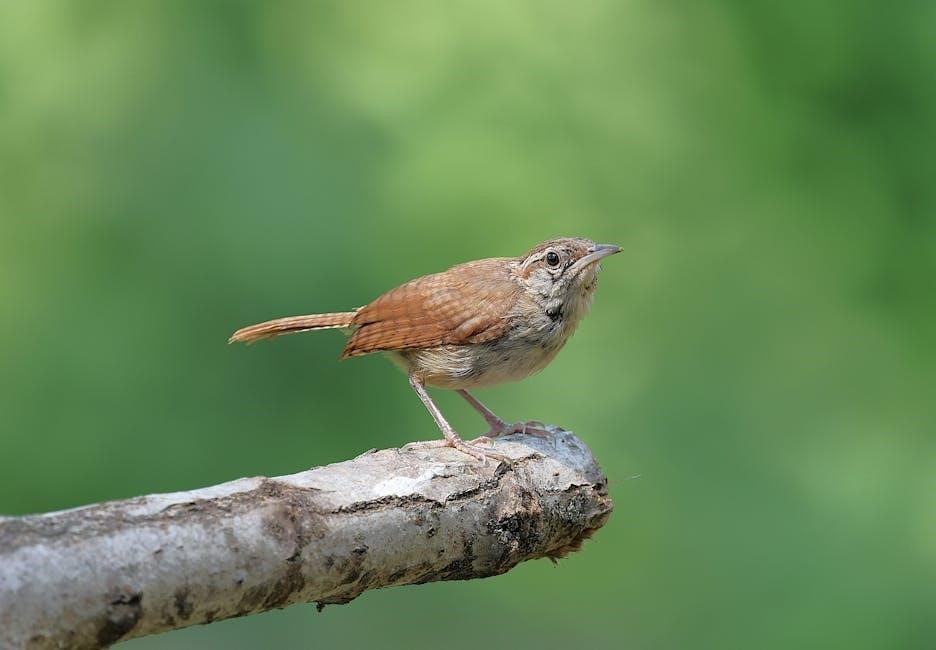
New Jersey’s diverse habitats attract a wide array of avian species, making a field guide essential for identification․
These guides, often including detailed illustrations and descriptions,
aid birders in recognizing plumage, songs, and behaviors, enhancing their observation experiences․
What is a Field Guide?
A field guide is a portable reference designed for identifying plants and animals – in this case, birds – in their natural environment․ Specifically for New Jersey birding, a good field guide will feature detailed illustrations or photographs showcasing plumage variations across different ages and seasons․
Crucially, it includes range maps indicating where specific species are typically found within the state, and descriptions of their songs and calls․ These guides often categorize birds by family or habitat, simplifying the identification process․ They also provide information on bird behavior, nesting habits, and conservation status, making them invaluable tools for both novice and experienced birdwatchers exploring New Jersey’s rich avian biodiversity․
Why New Jersey is a Birding Hotspot
New Jersey’s unique geographical location positions it as a critical migratory stopover for numerous bird species traveling along the Atlantic Flyway․ This results in an incredible diversity of birds throughout the year, from shorebirds and waterfowl to songbirds and raptors․
The state boasts varied habitats – coastline, forests, meadows, and wetlands – each supporting distinct bird communities․ Proximity to major metropolitan areas also makes birding accessible to a large population․ Consequently, New Jersey attracts dedicated birders and researchers, fostering a thriving birding culture and making it a premier destination for observing avian life, necessitating a comprehensive field guide․
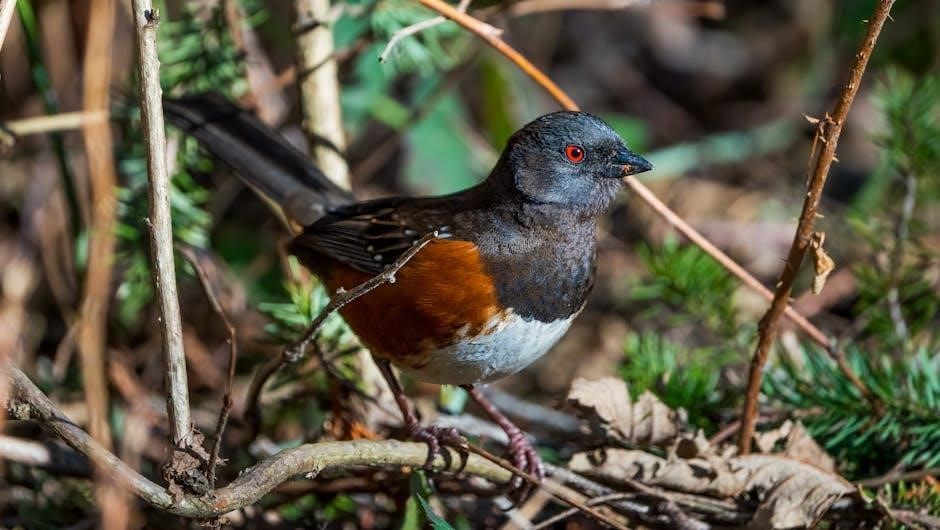
Common Birds of New Jersey
New Jersey’s birdlife includes familiar favorites like cardinals, robins, and finches, alongside diverse waterfowl and birds of prey, readily identifiable with a good field guide․
Songbirds
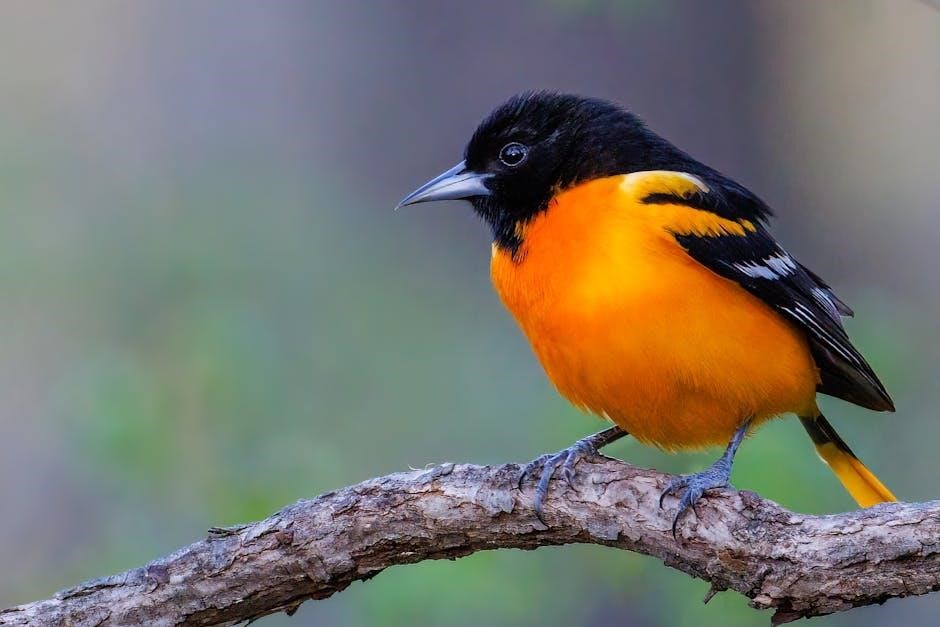
New Jersey’s forests and gardens are alive with the melodies of numerous songbirds․ A field guide becomes invaluable when attempting to distinguish between these often-subtly different species․ The Northern Cardinal, with its vibrant red plumage (males) and distinctive song, is a year-round resident․ The cheerful song of the American Robin is a common sound in spring and summer, easily identified by its reddish-orange breast․
The House Finch, a frequent visitor to feeders, displays reddish hues and a pleasant, warbling song․ Learning to associate specific songs with visual cues, as detailed in a field guide, dramatically improves identification skills․ Observing plumage variations – considering age and sex – further aids accurate identification of these delightful avian inhabitants․
Northern Cardinal
The Northern Cardinal (Cardinalis cardinalis) is a strikingly beautiful songbird, a common sight throughout New Jersey year-round․ Male cardinals boast a brilliant red plumage, a prominent crest, and a black mask, while females exhibit a more subdued reddish-brown coloration․ A field guide highlights these key differences․
Their song is a clear, whistled phrase, often described as “cheer, cheer, cheer,” or “birdie, birdie, birdie․” Cardinals are frequently found in gardens, woodlands, and shrubby areas, readily visiting bird feeders offering seeds․ Observing their behavior – foraging, perching, and singing – alongside detailed illustrations in a field guide, solidifies identification․
American Robin
The American Robin (Turdus migratorius) is a familiar and beloved bird across New Jersey, recognized for its cheerful song and distinctive appearance․ Field guides depict robins with their rusty-red breast, gray back, and dark head․ Juvenile robins display speckled breasts, a feature easily identified with a good guide․
Robins are often seen foraging for earthworms on lawns, tilting their heads to listen for subterranean movement․ Their song is a complex series of warbles and chirps, varying individually․ A field guide’s audio component can aid in song recognition; They nest in trees and shrubs, building mud-lined cups, and are active throughout the breeding season․
House Finch
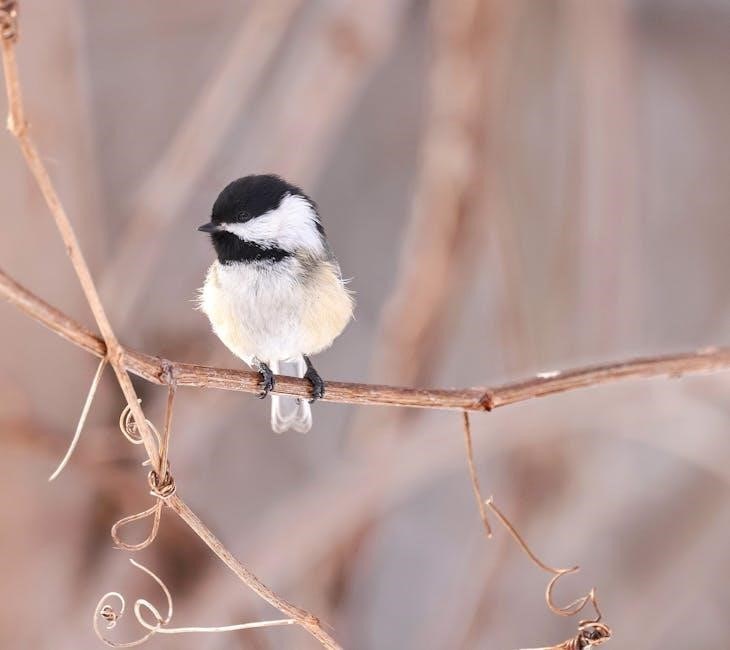
The House Finch (Haemorhous mexicanus) is a common sight in New Jersey, often found in urban and suburban areas․ Field guides illustrate males with rosy-red heads and breasts, while females exhibit streaky brown plumage․ Identifying features include a conical bill adapted for seed-eating and a long, slightly notched tail․
House Finches are highly vocal, with a cheerful, warbling song․ Variations exist, but field guides often include spectrograms to aid identification․ They readily adapt to human-altered landscapes, nesting in buildings, trees, and shrubs․ Observing their behavior – foraging in flocks and frequenting bird feeders – is key to recognition․
Waterfowl
New Jersey’s diverse wetlands and coastal areas support a rich variety of waterfowl․ Field guides dedicated to birds of the region prominently feature species like Mallards, Canada Geese, and American Black Ducks․ Identification relies on observing plumage details – the iridescent speculum of a Mallard, the black head and neck of a Canada Goose, and the darker overall coloration of the American Black Duck․
Guides also highlight differences in size, shape, and bill structure․ Observing behavior, such as dabbling for food or V-shaped flight formations, aids identification․ Understanding seasonal variations in plumage, particularly during breeding season, is crucial for accurate field identification․
Mallard
The Mallard (Anas platyrhynchos) is a common and recognizable waterfowl species found throughout New Jersey․ Field guides detail the male’s vibrant plumage: a glossy green head, bright yellow bill, and chestnut breast․ Females are mottled brown, providing excellent camouflage․ Identifying features include the distinctive blue speculum bordered by white bars on both sexes․
Guides emphasize observing size – Mallards are medium-sized ducks – and shape․ They are dabbling ducks, often seen tipping forward to feed in shallow water․ Vocalizations, including the female’s quack, are also key identifiers․ Variations exist, but field guides provide comprehensive details for accurate recognition․
Canada Goose
The Canada Goose (Branta canadensis) is a large, easily identifiable waterfowl species prevalent across New Jersey․ Field guides highlight its distinctive black head and neck, contrasting with its white cheek patches․ Adults boast a brown body and a pale breast․ Juvenile birds exhibit a mottled appearance, aiding in age determination․
Guides emphasize the goose’s size – significantly larger than most ducks – and its characteristic honking call․ Observing their V-shaped migratory formations is also a key identification technique․ Plumage variations exist between subspecies, but field guides provide detailed illustrations for accurate recognition in different regions․
American Black Duck
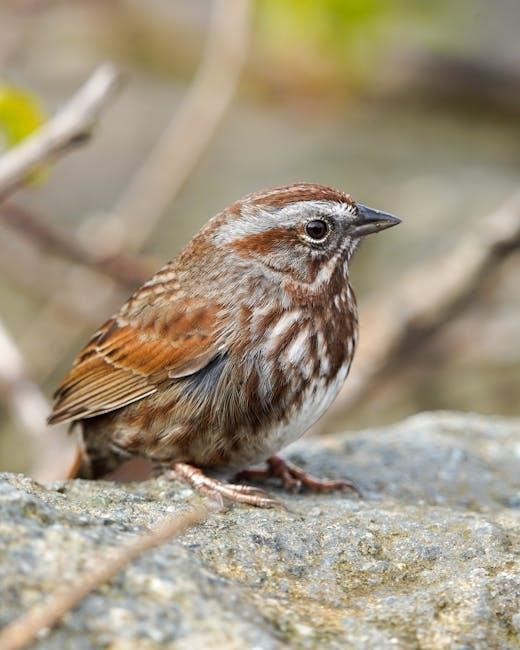
The American Black Duck (Anas rubripes) is a common, yet often overlooked, waterfowl species found throughout New Jersey․ Field guides detail its dark brown plumage, a key identifier distinguishing it from the more familiar Mallard․ Females are generally a lighter brown, offering a subtle difference for observers;
Guides emphasize noting the duck’s relatively heavy body and broad, rounded head․ The speculum, a patch of iridescent color on the wing, is often purple-tinged, aiding identification․ Listen for its distinctive, raspy call․ Careful observation of habitat – often preferring wooded swamps – further assists in accurate field identification․
Birds of Prey
New Jersey’s skies host a fascinating array of raptors, and a field guide is crucial for their identification․ These powerful hunters, including hawks, falcons, and owls, require careful observation to distinguish between species․ Guides highlight key features like wingspan, silhouette, and flight patterns․
Pay close attention to plumage variations, as juvenile birds often differ significantly from adults․ Field guides detail specific markings and coloration for each species․ Learning to identify raptor calls – screams, whistles, and hoots – is also invaluable․ Observing hunting behaviors and preferred habitats further aids accurate identification in the field․
Red-tailed Hawk
The Red-tailed Hawk is a common and majestic raptor found throughout New Jersey․ Field guides depict its broad, rounded wings and reddish-brown tail – a key identifying feature, though coloration can vary․ Juvenile birds exhibit barred tails, transitioning to the adult’s red hue with age․
These hawks often soar in circles high above open fields, utilizing their keen eyesight to spot prey․ Listen for their distinctive, piercing scream, a frequently heard sound across the state․ Field guides detail habitat preferences, noting their presence in forests, fields, and along roadways․ Observing their hunting style – often perching and pouncing – aids identification․
American Kestrel
The American Kestrel, North America’s smallest falcon, is a vibrant presence in New Jersey’s diverse landscapes․ Field guides highlight its striking plumage: rusty-red backs and tails contrasted by blue-gray wings in males, and reddish-brown barring overall in females․ A distinctive “klee-klee-klee” call aids auditory identification․
Kestrels frequently perch on wires or poles, scanning fields for small rodents – their primary food source․ Field guides detail their preference for open habitats, including meadows and agricultural areas․ Look for the dark “mustache” markings on their faces, a key field mark․ Observing their hovering flight style is also a helpful identification technique․
Great Horned Owl
The Great Horned Owl, a powerful nocturnal predator, is a common resident of New Jersey’s forests and woodlands․ Field guides emphasize its large size, prominent ear tufts (which are feathers, not ears!), and intense yellow eyes․ Its deep, resonant “hoo-h’HOO-hoo-hoo” call is a signature sound of the night․
These owls are adaptable hunters, preying on mammals, birds, and even reptiles․ Field guides illustrate their mottled brown and gray plumage, providing excellent camouflage․ Look for them perched silently in trees, or soaring during low-light conditions․ Identifying old nests, often large platforms in tree forks, can indicate Great Horned Owl presence․
Habitat-Specific Birds
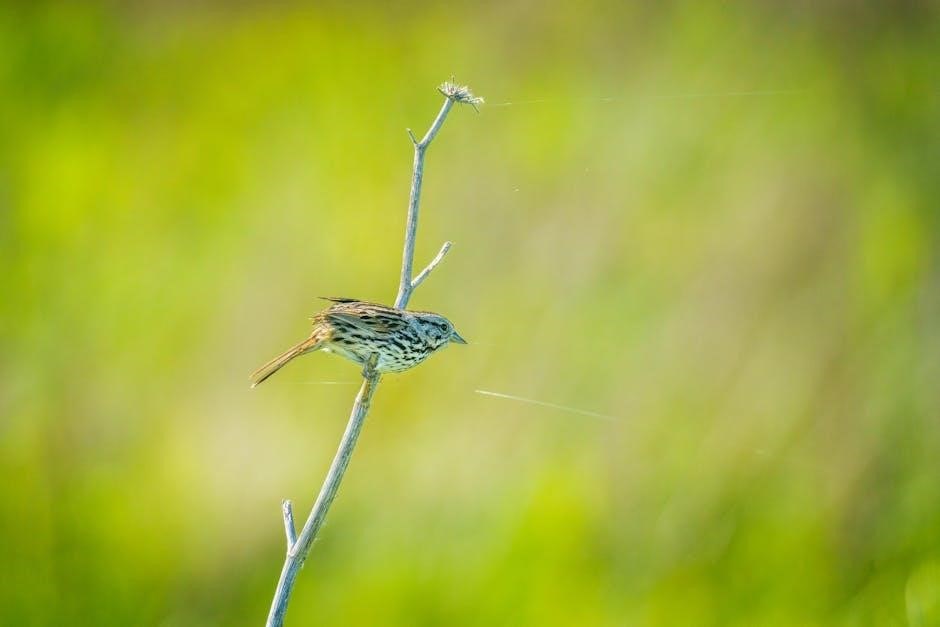
New Jersey’s varied landscapes support specialized bird communities; field guides highlight species linked to specific habitats like coastal marshes, dense forests, and open fields․
Coastal Birds
New Jersey’s coastline is a crucial stopover and breeding ground for numerous bird species․ A field guide focused on coastal birds will showcase the Herring Gull, a common sight scavenging along beaches and inlets, identifiable by its robust build and distinctive call․
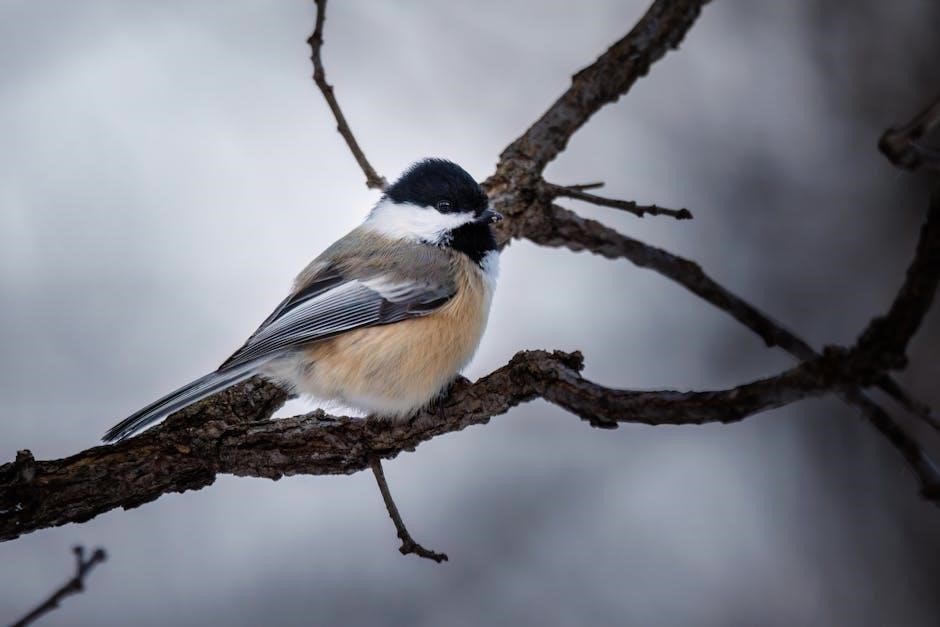
The Sanderling, a small, energetic shorebird, is another key species, often seen darting along the surf, probing for invertebrates․ Field guides detail their rapid movements and subtle plumage changes throughout the year․
Other notable coastal inhabitants include various terns, sandpipers, and plovers, each with unique foraging strategies and habitat preferences․ Understanding these distinctions, aided by a comprehensive field guide, greatly enhances the birding experience along the Jersey Shore․
Herring Gull
The Herring Gull (Larus argentatus) is a large gull frequently observed along New Jersey’s coastline, often near beaches, docks, and landfills․ Field guides highlight its adult plumage: white body, gray wings with black tips, and pink legs․ Juvenile birds exhibit mottled brown plumage, gradually transitioning to adult coloration over several years․
Identifying features include its powerful beak, used for scavenging, and its loud, distinctive “keow” call․ These gulls are opportunistic feeders, consuming fish, invertebrates, and human refuse․ A field guide will detail variations in size and plumage based on age and geographic location, aiding accurate identification․
They are adaptable and common throughout the year, making them a familiar sight for New Jersey birders․
Sanderling
The Sanderling (Calidris alba) is a small shorebird renowned for its energetic foraging behavior on New Jersey’s beaches․ Field guides depict a distinctive plumage: pale gray and white, lacking the bright breeding plumage of some sandpipers․ They are often seen scurrying along the surf line, chasing receding waves to snatch up small invertebrates․
Identifying features include their short, black legs and a slightly downcurved bill․ Sanderlings are migratory, passing through New Jersey during spring and fall․ A field guide will illustrate the subtle differences between breeding and non-breeding plumage, aiding identification․
Their rapid movements and pale coloration make them a delightful sight for coastal birders․
Forest Birds
New Jersey’s forests harbor a rich diversity of birdlife, from vibrant warblers to majestic woodpeckers․ A field guide is crucial for navigating this avian complexity․ These woodlands provide essential habitat for both resident and migratory species, offering food and shelter throughout the year․
Common forest birds include the Wood Thrush, known for its ethereal song, and the striking Pileated Woodpecker, easily identified by its size and distinctive red crest․ Field guides detail plumage variations, vocalizations, and preferred habitats, aiding accurate identification․
Exploring these forested areas with a guide enhances the birding experience․
Wood Thrush
The Wood Thrush (Hylocichla mustelina) is a beloved songbird of New Jersey’s forests, celebrated for its flute-like, ethereal vocalizations․ Field guides depict its reddish-brown upperparts, buff-colored underparts with distinctive dark spots, and a white eye-ring․
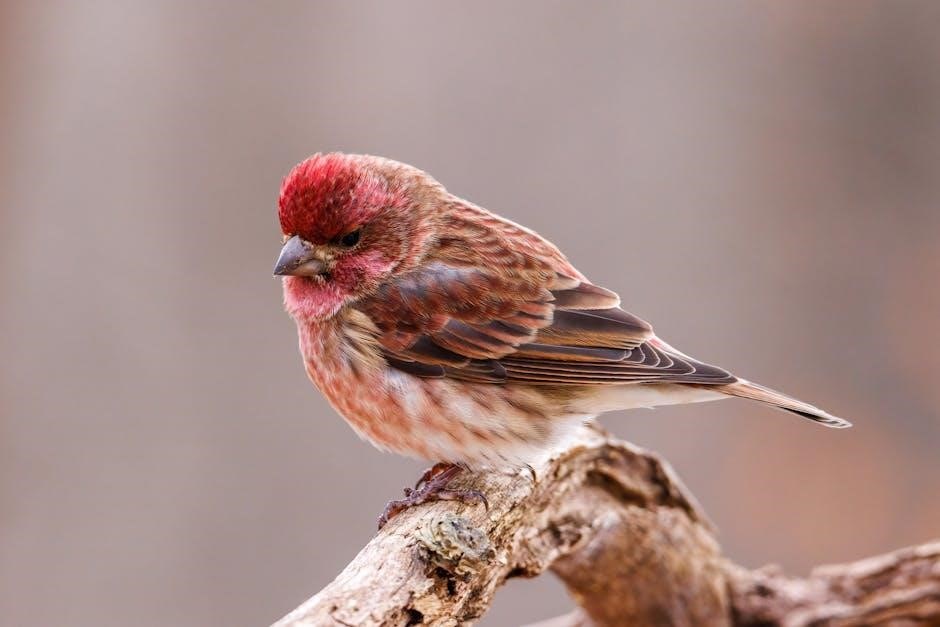
These thrushes prefer mature deciduous forests with dense undergrowth, foraging on the forest floor for insects and berries․ Identifying features include its upright posture and subtle wing bars․ A field guide will detail its nesting habits – a cup-shaped nest built low to the ground or in shrubs․
Listen for its complex song to locate this beautiful bird!
Pileated Woodpecker
The Pileated Woodpecker (Dryocopus pileatus) is a striking and impressive bird found in New Jersey’s mature forests․ Field guides highlight its large size – nearly crow-sized – and its dramatic appearance: a black body, white stripes on the face and neck, and a vibrant red crest․
These powerful woodpeckers excavate rectangular holes in trees while searching for carpenter ants, their primary food source․ Identifying features include their loud drumming and distinctive “wuk-wuk-wuk” call․ A field guide will illustrate the deep, rectangular excavations they create․
Spotting one is a memorable experience for any birder!
Identifying Birds: Key Features
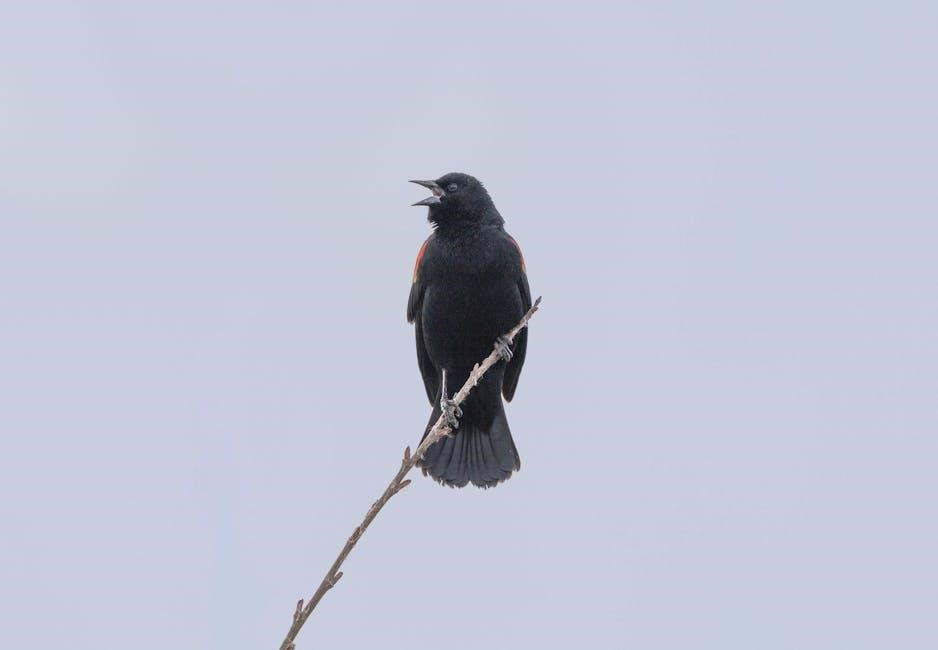
Accurate bird identification relies on observing plumage details, recognizing unique songs and calls, and assessing size and shape – all detailed in field guides․
Plumage Variations
Bird plumage isn’t static; it dramatically changes based on age, sex, and season․ Juvenile birds often exhibit different patterns than adults, providing crucial identification clues․ Male birds frequently display brighter, more elaborate plumage during breeding season to attract mates, a phenomenon well-documented in New Jersey’s Northern Cardinals․
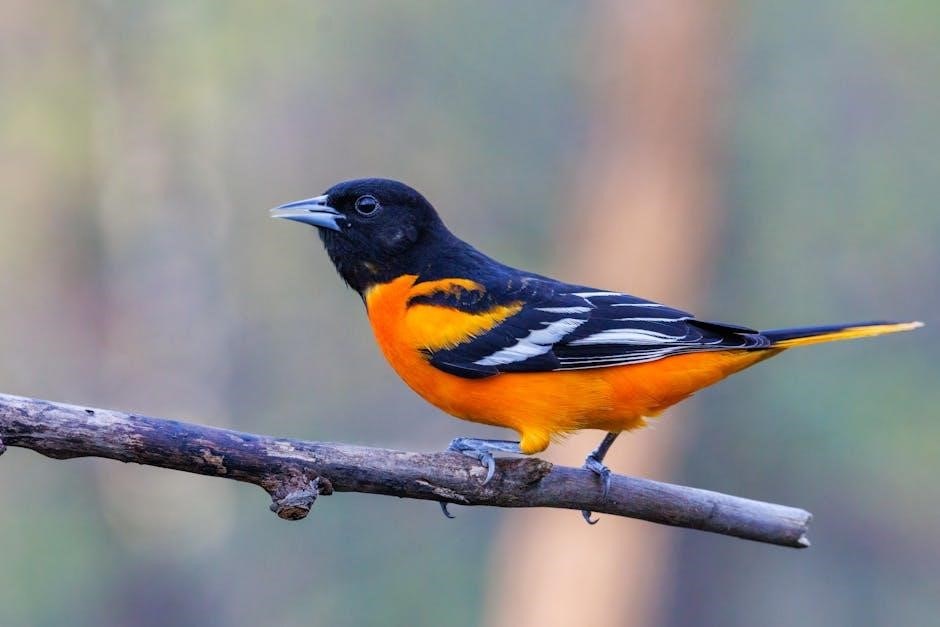
Furthermore, molting – the process of shedding and replacing feathers – introduces variations․ Field guides detail these differences, illustrating breeding versus non-breeding plumage, and highlighting distinctions between immature and mature birds․ Observing these subtle shifts in coloration and feather patterns is key to accurate species identification within the Garden State’s diverse bird populations․
Bird Songs and Calls
Beyond visual cues, bird songs and calls are vital for identification․ Songs are typically complex vocalizations used to attract mates and defend territory, while calls serve various purposes like alarm signals or contact between individuals․ New Jersey’s Wood Thrush is renowned for its ethereal, flute-like song․
Field guides often include sonograms – visual representations of sound – and descriptive phrases to help birders learn these vocalizations․ Mastering bird sounds significantly enhances identification skills, especially in dense foliage where visibility is limited․ Recognizing subtle differences in pitch, rhythm, and tone can pinpoint species with confidence․
Size and Shape
Assessing a bird’s size and shape is a fundamental identification step․ Comparing a bird to familiar species – is it robin-sized, sparrow-sized, or larger? – provides a crucial initial assessment․ Note the overall body proportions: is it compact or slender? Does it have a long or short neck, tail, or legs?
Field guides illustrate these features, often depicting birds in various postures․ Observing silhouette against the sky can highlight shape․ For example, the Red-tailed Hawk’s broad wings and stocky build differ significantly from the American Kestrel’s smaller, more streamlined form․ These details, combined with other characteristics, aid accurate identification․
Resources for New Jersey Birding
Numerous online databases and local clubs support New Jersey birders․ Websites offer species checklists, sighting reports, and identification tools, while clubs host field trips and workshops․
Online Databases and Websites
Several excellent online resources cater specifically to New Jersey birding enthusiasts․ eBird, managed by the Cornell Lab of Ornithology, is a comprehensive platform for recording and exploring bird sightings across the state, providing valuable data on distribution and abundance․ The New Jersey Audubon Society’s website (www․njaudubon․org) features information on birding locations, conservation efforts, and upcoming events․
Additionally, All About Birds (www․allaboutbirds․org) offers detailed species accounts, including identification tips, songs, and habitat preferences․ These websites often include recent sighting reports, allowing birders to discover where to find specific species․ Utilizing these digital tools significantly enhances the birding experience and contributes to citizen science initiatives focused on bird conservation within New Jersey․
Local Birding Clubs and Organizations
Joining a local birding club is a fantastic way to deepen your knowledge and connect with fellow enthusiasts in New Jersey․ The New Jersey Audubon Society (www․njaudubon․org) boasts numerous chapters throughout the state, organizing field trips, workshops, and conservation projects․ These groups offer opportunities to learn from experienced birders and discover prime birding locations․
Other regional clubs, like the Bergen County Audubon Society or the Cape May County Bird Observatory, provide specialized expertise and local insights․ Participating in club activities enhances identification skills, fosters a sense of community, and supports vital bird conservation efforts within New Jersey’s diverse ecosystems․ Check local listings for clubs nearest you!